What are virtual cards?
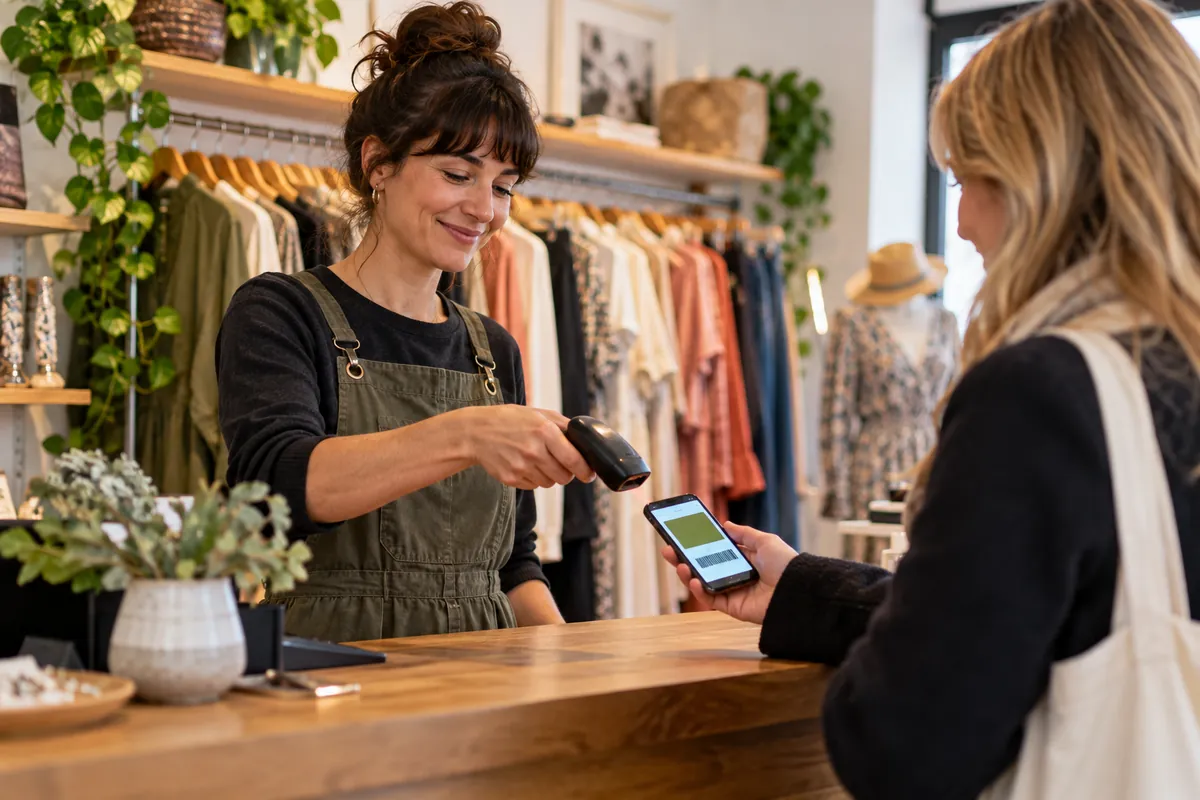
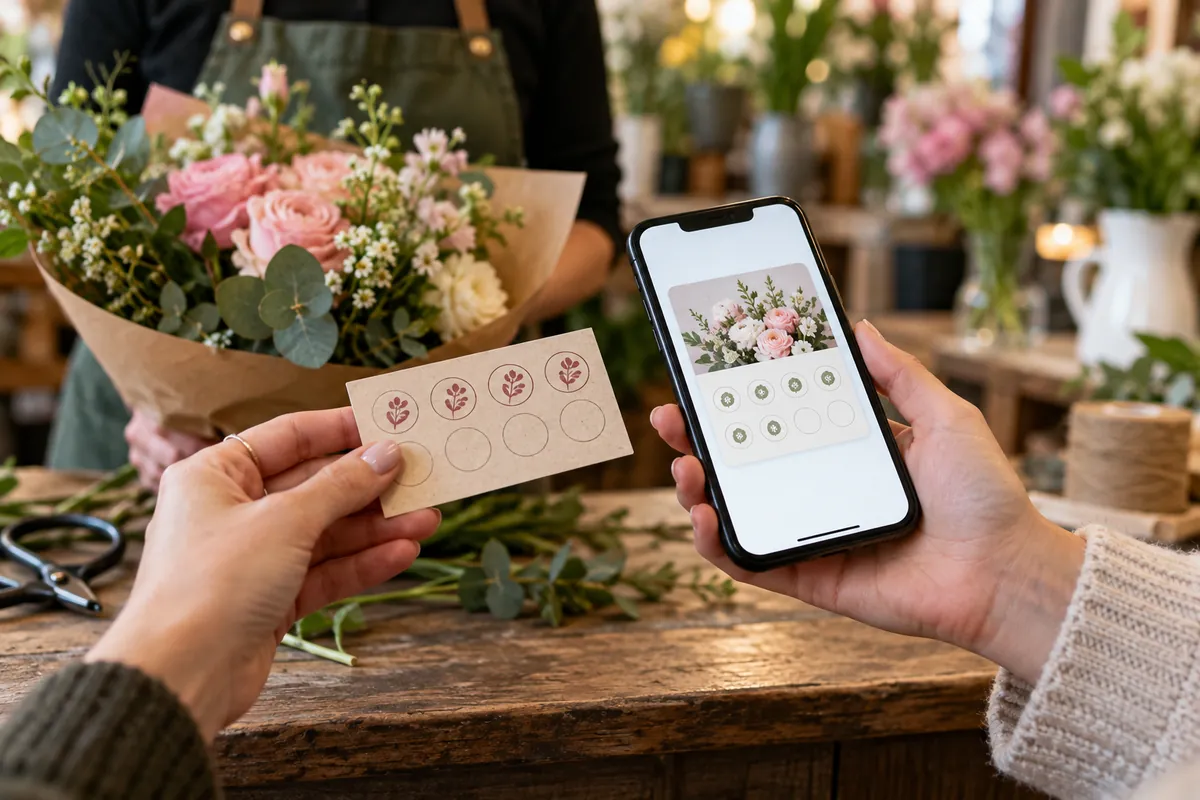
A virtual loyalty card replaces a plastic one. Customers add it to Apple Wallet on iPhone or to a wallet app on Android in a few taps, and it shows their points balance, level and QR code.
What are the advantages of virtual cards?
There is nothing to print, lose or forget. Balances update on the card automatically after every purchase, and you can send push notifications straight to the card on the customer’s lock screen.
What will virtual cards give to my business?
A database of your regular customers, more repeat visits and a higher average spend. Cashback levels, referrals and targeted campaigns give customers a reason to come back, and the dashboard shows how each of them performs.
In what areas of business can virtual cards be used?
Anywhere customers come back: cafés, restaurants and bars, beauty salons and barbers, gyms and spas, retail, entertainment venues, local services and online shops.
What types of loyalty are available?
Cashback in points with levels based on spend, a sign-up bonus, a referral programme with rewards for both sides, and bonuses for your staff. Customers redeem points as a discount — 10 points equal £1.
How do customers join?
They scan your QR code at the till or on a table, fill in a short form, confirm their phone number and add the card to their wallet. Staff can also sign customers up with a personal QR code.
Which POS systems does Unity work with?
Unity integrates with Square. With any other till, staff add and redeem points in the Unity Staff app on a phone or tablet — no integration needed.
How much does Unity cost?
Plans start at £49 a month for one location. Grow is £89 a month, and Scale is £89 a month plus £30 for each additional location.