Square Loyalty or a third-party loyalty app? A guide for UK Square sellers

Should a UK Square seller use Square Loyalty or a loyalty app that integrates with Square? Pricing models, reward types, messaging and staff workflow compared.
Key takeaways
- Square Loyalty is priced per location by loyalty visits; most third-party apps charge per plan or per business.
- Visit-based rewards suit simple, similar-value purchases; cashback and tiers suit varied baskets.
- Check how a third-party app applies the reward to a Square order before you commit.
- Compare the whole package, including any separate marketing tool you would need.
Two ways to run loyalty on a Square till
If you take payments with Square, you have two broad options. You can switch on Square Loyalty, Square’s own add-on that lives inside Square Point of Sale. Or you can use a separate loyalty platform that connects to your Square account and adds its own features around it. Both are legitimate choices, and the right one depends on what you want the programme to do.
This guide sets out the questions that actually separate the two. We make a third-party loyalty system ourselves, so we have tried to be explicit about where Square’s native option is the simpler answer. For the head-to-head table, see Unity vs Square Loyalty.
Start with the pricing model, not the headline price
On 8 October 2026, Square’s UK site listed Square Loyalty at £25, £45 or £65 per location per month, depending on the number of loyalty visits (0–500, 501–1,500 and 1,501+), with a 30-day free trial. That structure is cheap for a quiet single site and rises with volume and with every extra location.
Third-party apps usually charge a fixed monthly plan. Unity, for example, is £49 or £89 a month for one location, and Scale adds £30 for each extra location. Work out your monthly loyalty visits and number of sites, then price both models for today and for a year from now. A busy café that grows to three sites can land in a very different place under each model.
Decide what kind of reward you want
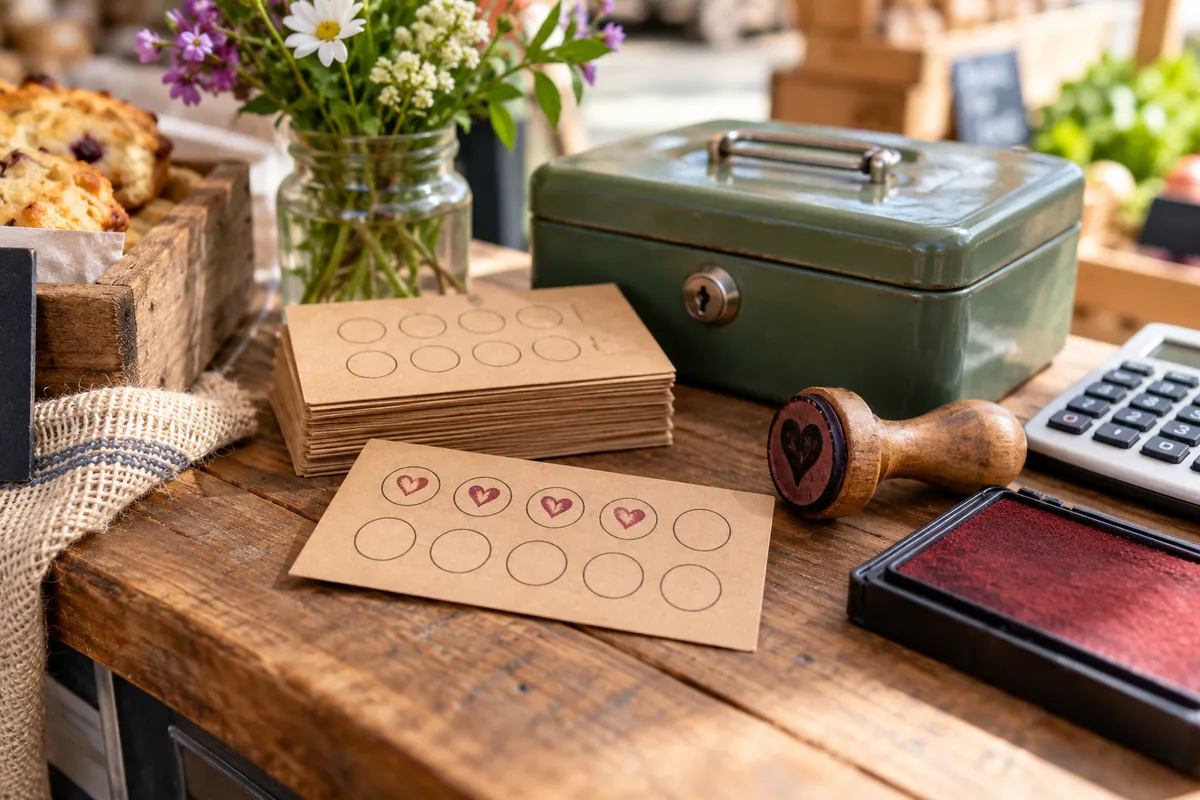
Square describes earning by visits, amount spent, or items and categories purchased. A visit-based reward such as “tenth coffee free” is easy to explain and works when purchases are similar in value.
If your baskets vary, from a £3 espresso to a £40 lunch for four, a spend-based programme rewards customers more fairly. Cashback in points, with tiers that raise the rate for your best customers, is a different design rather than a better or worse one. Read cashback vs points vs discounts before you choose.
Look at what happens at the till
Native loyalty has an obvious advantage: nothing extra to open. With a third-party app, ask exactly how the reward reaches the Square order. In Unity, staff open the customer in the Unity Staff app, pick the open Square order and apply the points as a discount, which appears on the order as a line from Unity. Category settings decide how much of each product category points can cover.
Ask to see this on a real order during a demo, including a refund and a customer who has forgotten their phone. A two-minute workflow that staff skip during a rush is worth less than a simpler one they always use.
Count the marketing tools you will need
A loyalty programme builds a customer list; the value comes from using it well. Square Loyalty sends automatic transactional texts when customers earn points or rewards, and Square sells marketing as a separate product. A loyalty platform may include campaigns in the plan.
List the messages you expect to send in a typical month: a win-back to lapsed customers, a quiet-day offer, a new menu. Then check which channels (wallet push, SMS, email), audience filters and limits come with each option, and what each one costs.
- How many loyalty visits do you have per month, per location?
- Will you open another site in the next 12 months?
- Do your baskets vary a lot in value?
- Do you want tiers, referrals or staff incentives?
- Which channels will you use to contact members, and is marketing included?
- Do any of your sites or staff use a till other than Square?
How a loyalty discount reaches a Square order, step by step
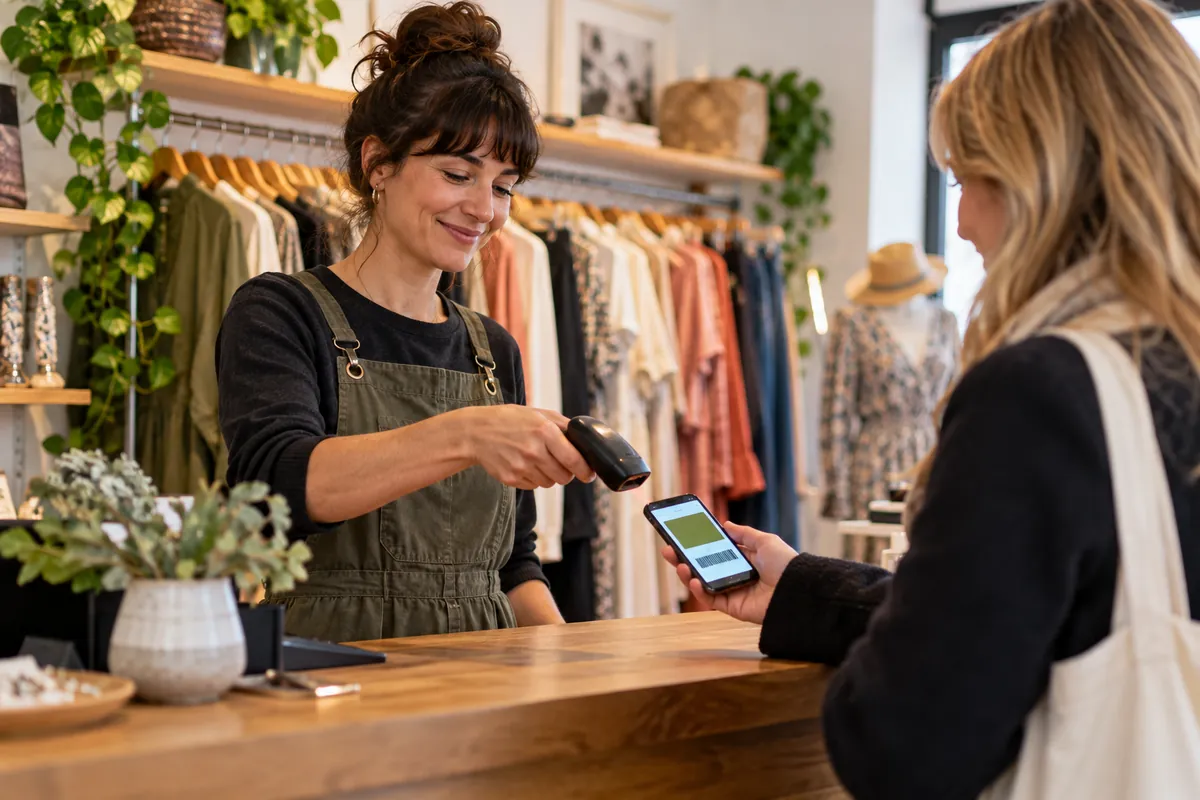
It helps to picture the exact sequence at the counter, because that is where a loyalty programme succeeds or fails. With Unity connected to Square, a typical redemption looks like this: the barista rings up the order in Square as normal; the customer shows the QR code on their wallet card; the barista scans it in the Unity Staff app, sees the customer’s balance and tier, picks the open Square order from the list and applies the points; the discount appears on the Square order, and the customer pays the remaining amount in Square.
Two settings shape what happens in that flow. Category rules decide what share of each Square catalogue category can be paid with points, so a customer can’t, for example, pay for a bag of retail beans entirely with points if you have limited that category to half. And the customer’s available balance caps the discount: the system never applies more than they have.
Earning works the other way round. When a member buys without redeeming, staff record the purchase so the customer earns cashback, and the wallet card updates with the new balance. Ask any provider to show both directions, earning and redeeming, on a real order.
Questions to ask any loyalty app that integrates with Square
Integration pages tend to say little more than “works with Square”. These questions get you to the detail that matters day to day.
- What exactly does the integration read from Square: orders, catalogue categories, customers, payments?
- How does a redemption appear on the Square order and on the receipt?
- Can I limit redemption by category or product?
- How are refunds handled, for both points earned and points redeemed?
- What do staff do if the connection to Square is unavailable?
- Does it work across several Square locations, and is pricing per location?
- Can I export my member data if I leave?
Mistakes to avoid when switching
If you already run Square Loyalty and are considering a change, plan the transition rather than switching overnight. Tell members what happens to their existing points, and honour balances in the new programme where you can; quietly wiping rewards is the fastest way to lose goodwill.
Avoid running two programmes in parallel for long. It confuses customers and staff, and it doubles your reward cost. Pick a cut-over date, convert balances, retrain the team and remove old signage on the same day. Finally, keep your baseline numbers from before the switch, so you can judge the new programme on return visits rather than on how many people re-registered in the first week.
A simple way to decide
If you run one site, want a straightforward visit reward and don’t plan regular campaigns, Square Loyalty is hard to beat for simplicity. If you want spend-based tiers, referrals, staff incentives and targeted messaging, or you manage several sites, a dedicated loyalty platform is worth a demo.
Whichever you pick, set a baseline first and review return visits and reward cost after a month. Our launch checklist covers the first 30 days, and the Square integration page shows how Unity connects to Square.
For current guidance on customer information and marketing preferences, see the ICO’s direct marketing resources and our Privacy & GDPR policy.