How to design loyalty tiers for a small business
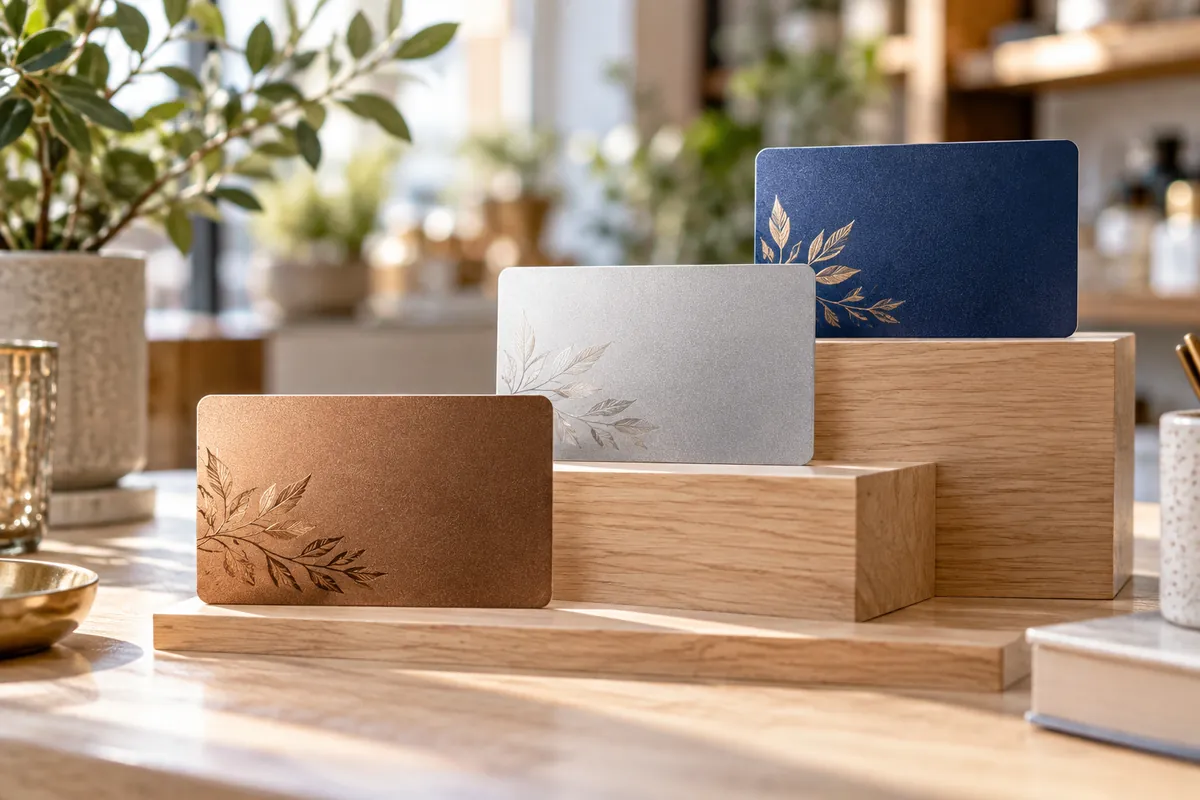
Bronze, silver, gold: how to set tier thresholds, rewards and names for a small business loyalty programme, with worked examples and common mistakes to avoid.
Key takeaways
- Three tiers are enough for most small businesses.
- Set thresholds from your real spend data so the top tier stays exclusive.
- Make the jump between tiers visible and worth chasing.
- Tell customers how close they are to the next tier.
Why tiers work
A tiered programme gives customers a goal beyond the next reward. Moving from silver to gold feels like recognition, and the higher rate makes your best customers less likely to drift to a competitor. For the business, tiers focus the reward budget on the customers who are worth the most.
Tiers are optional. A flat cashback rate is perfectly good for a first programme. Add tiers once you have a few months of data and know what your best customers look like.
Set thresholds from real data
Look at how much your members have spent over the last few months and sort them from highest to lowest. A common starting point is a top tier for roughly the top tenth of customers by spend, a middle tier for the next fifth or so, and an entry tier for everyone else. Then round the thresholds to friendly numbers such as £150 and £500.
If you have no data yet, start with one tier and add the others later. Thresholds set by guesswork are often so high that nobody reaches them, or so low that everyone does.
| Tier | Total spend | Cashback rate |
|---|---|---|
| Member | £0+ | 3% |
| Regular | £150+ | 5% |
| Insider | £500+ | 8% |
Make the tiers visible
Customers can only chase a tier they can see. Show the current tier on the loyalty card; in Unity the wallet card colour changes with the tier, and members get a notification when their cashback rate goes up. Tell customers how far they are from the next level when it makes sense, for example in a campaign to members who are within £20 of it.
Our customer segmentation guide shows how to build that “nearly there” audience.
Choose rewards that feel different
The gap between tiers should be noticeable. Moving from 3% to 3.5% won’t change anyone’s behaviour; 3% to 5% might. You can also add non-cash recognition, such as early access to a new menu, a seasonal invitation or a reserved table, which costs little and feels personal.
Keep the cost of the top tier in check by modelling it: if your top tenth of customers generate a large share of revenue, the rate you give them has a big effect on the total reward bill.
Common mistakes
Avoid these when designing tiers for a small business.
- Too many tiers: five levels are hard to explain at the till.
- Thresholds nobody reaches, which make the programme feel unattainable.
- Tiers that reset too often, so customers lose status before they notice it.
- Names that need explaining; simple names beat clever ones.
- Changing thresholds without telling members.
Next steps
Start simple, measure for a month or two, then introduce tiers based on real spend. If you are still deciding on the reward itself, read cashback vs points vs discounts. For the costs involved, see what a loyalty scheme costs a small UK business. In Unity, spend-based tiers update automatically on the wallet card; see loyalty software by business type for typical set-ups.
For current guidance on customer information and marketing preferences, see the ICO’s direct marketing resources and our Privacy & GDPR policy.