How to win back lapsed customers with a loyalty programme

A step-by-step win-back campaign for UK small businesses: define a lapsed customer, build the segment, choose the offer and channel, and measure who really came back.
Key takeaways
- Define “lapsed” from your normal visit cycle, not a generic 90 days.
- Target former regulars first; they are the most likely to return.
- Lead with their existing points balance before adding a new discount.
- Measure against a hold-out group to see the true effect.
Why win-back campaigns pay
Customers drift away for ordinary reasons: a new job, a new route, a competitor opening nearby, or simply forgetting. Many would come back with a small nudge. A loyalty programme lets you see who has stopped visiting and contact them, something a paper stamp card can never do.
Step 1: define “lapsed” for your business
A café customer who usually comes in twice a week is lapsed after two or three weeks. A salon client on a six-week cycle isn’t lapsed until perhaps ten weeks. Look at your regulars’ typical gap between visits and set the threshold at around two to three times that.
Step 2: build the segment
Combine two rules: customers who visited regularly in the past (for example five or more visits) and haven’t visited for longer than your threshold. In Unity, that is a visit frequency rule plus a “days since last visit” rule. Because segments are dynamic, the list updates every day.
Start with former regulars. Occasional customers who never formed a habit are much harder to bring back.
Step 3: choose the message and offer
Lead with what they already have. “You still have £3.40 of points waiting” is a reason to return that costs you nothing extra. Add a time-limited bonus only if needed, such as double points this week. Keep the tone warm and personal, not desperate.
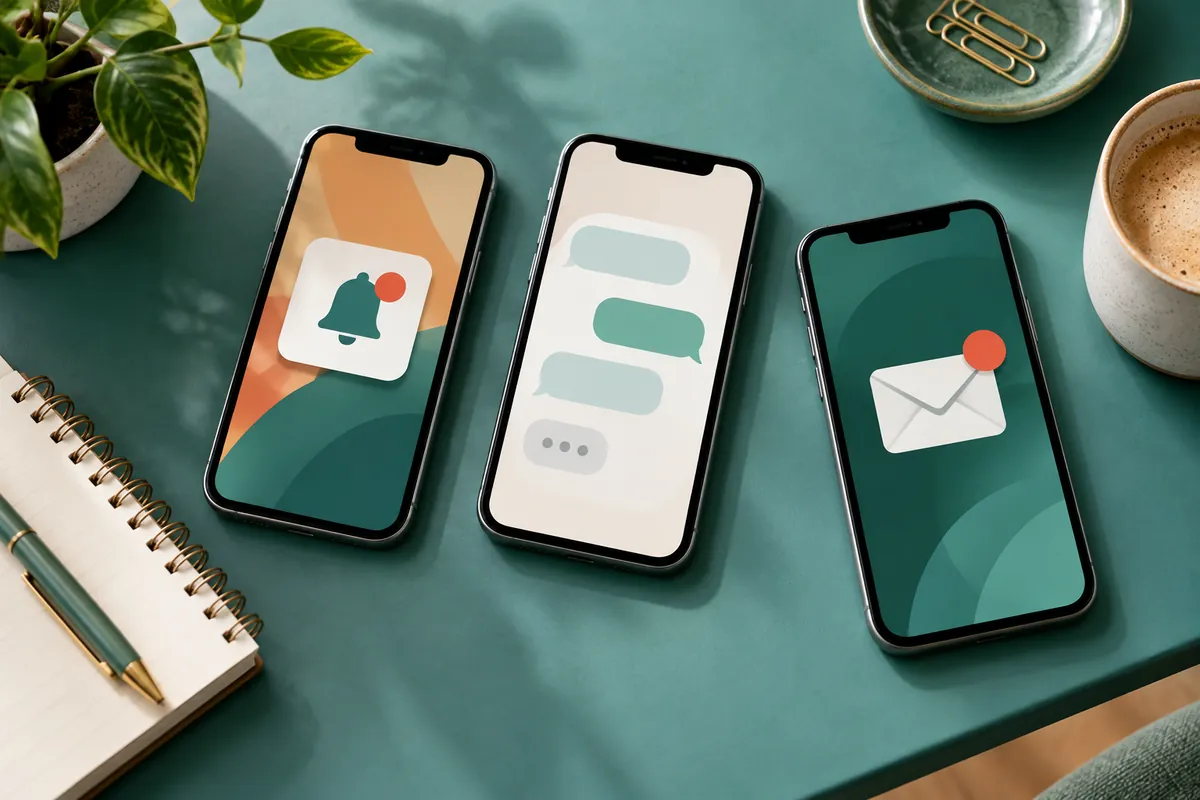
- Push: “We’ve missed you! Your £3.40 balance is waiting. Double points until Sunday.”
- SMS: short, with the deadline and opt-out.
- Email: a note from the owner, with what’s new since their last visit.
Step 4: schedule a short sequence
Send one message, then a reminder a few days later only to those who haven’t returned. Stop there. In Unity, add both delivery methods to the same promotion with different scheduled times. Keep marketing within the consent customers have given; see loyalty programmes, UK GDPR and PECR.
Why customers lapse, and what that means for the offer
Not every lapsed customer left for the same reason. Some moved away and will never return; no offer will change that. Some drifted to a competitor because of price or convenience, and a stronger reason to return can help. Many simply fell out of the habit, and a friendly reminder is all they need.
Because you can’t tell these groups apart from the data alone, start with the cheapest message, a reminder of their existing balance, and only add a bonus in the follow-up to those who don’t respond. If staff hear why people stopped coming, note it: a pattern such as “the new opening hours don’t suit me” is worth more than any campaign.
Step 5: measure who really came back
Hold back a small random part of the segment and don’t message them. After two to four weeks, compare the return rate of both groups. The difference is the campaign’s real effect. Then compare the extra margin with the cost of any bonus you gave.
For more audiences to try, see 8 customer segments to start with, and for channel choice, push vs SMS vs email. Unity’s customer notification system lets you build a lapsed-customer segment and send wallet push, SMS or email to it.
For current guidance on customer information and marketing preferences, see the ICO’s direct marketing resources and our Privacy & GDPR policy.